Tick & alpha-gal awareness

One tick bite can change what you eat for life.

The Lone Star tick has been linked to alpha-gal syndrome — a delayed allergy to red meat. LoneStarMap helps you check risk near you, protect your family and pets, and know exactly what to do after a bite.

Built from public health sources Free, no ads For families & pet owners

Educational information only — not medical advice. Always consult a licensed healthcare professional.

U.S. Lone Star tick awareness

Risk preview — educational estimate

Preview
Low
Emerging
Established
High Awareness

Lone Star presence

Reported across much of the eastern & south-central U.S.

Alpha-gal awareness

A delayed allergy linked to some bites.

Peak tick season

Often spring through fall; year-round in warm regions.

Prevention checklist

A few steps cut your exposure dramatically.

30+

U.S. states with reported Lone Star tick activity

2–6 hrs

Typical delay before alpha-gal reactions appear

Year-round

Tick activity in many warm regions

100% free

No accounts, no ads, no medical claims

A trustworthy first stop for tick risk awareness

Built from public sources

Informed by public health and tick-surveillance information. See our sources page.

Clear prevention steps

Practical, family-friendly checklists you can actually use.

No panic, just practical

Realistic risk awareness without fearmongering or hype.

For everyone outdoors

Families, pet owners, hikers, hunters, golfers, homeowners.

Education

What is the Lone Star tick?

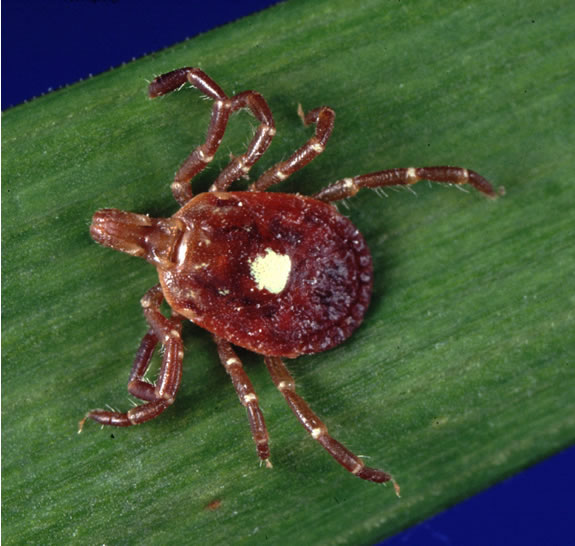
The Lone Star tick (Amblyomma americanum) is a tick species found across much of the eastern, southeastern, and south-central United States. Adult females have a distinctive single white dot on the back. Its bite has been associated with alpha-gal syndrome — a delayed allergy to a sugar molecule (alpha-gal) found in many mammalian products.

Important note

Not every bite causes alpha-gal syndrome. If you develop symptoms after eating mammalian meat or after a tick bite, talk to a licensed medical professional.

Alpha-gal syndrome

What is alpha-gal syndrome?

  • A Lone Star tick bite can trigger an immune response in some people.
  • Symptoms typically appear 2–6 hours after eating mammalian meat.
  • Triggers may include beef, pork, lamb, venison, gelatin, and sometimes dairy depending on the person.
  • Diagnosis (a specific IgE blood test) and treatment should be handled by a licensed medical professional.
Read the full alpha-gal guide

Prevention

How to lower your risk before going outside

Simple steps for hiking, camping, hunting, golfing, or yard work.

1

Use EPA-registered tick repellent

2

Treat clothing and gear with permethrin

3

Avoid tall grass and brush

4

Wear long socks/pants in high-risk areas

5

Shower within 2 hours of being outside

6

Check your body, kids, and pets for ticks

7

Remove attached ticks with fine-tipped tweezers

8

Watch for symptoms and contact a doctor if needed

Practical risk awareness for everyone outdoors

Families

Pet owners

Homeowners

Hikers & campers

Hunters

Golfers

Explore the site

Start with the topic that matters to you

Most people don't know this tick exists.

A Lone Star tick bite has been linked to alpha-gal syndrome — a condition that can make some people react to red meat and other mammalian products, sometimes for years. Share this with someone who hikes, camps, hunts, golfs, owns dogs, or lives near wooded areas. It's a 30-second favor that could change someone's life.

X Facebook Email

Why share?

  • • Awareness is the #1 prevention tool
  • • Free, no signup required to read
  • • Family-safe, no graphic content

FAQ

Lone Star tick & alpha-gal questions

The questions people search for most — answered plainly, with no medical claims.

Can a Lone Star tick bite make you allergic to red meat?+

Research has linked Lone Star tick bites to alpha-gal syndrome (AGS), a delayed allergy that can be triggered by mammalian products including beef, pork, lamb, venison, and sometimes dairy or gelatin. Not everyone bitten develops it. If you suspect symptoms, talk to a licensed medical professional.

Does every Lone Star tick bite cause alpha-gal syndrome?+

No. Most people bitten by a Lone Star tick do not develop alpha-gal syndrome. The condition occurs in some individuals after one or more bites. A medical professional can evaluate symptoms and recommend testing.

What states have Lone Star ticks?+

Lone Star ticks have been reported across much of the eastern, southeastern, and south-central United States, with expanding range reports in parts of the Northeast and Midwest. See our state pages for region-specific information.

What should I do after a tick bite?+

Remove the tick carefully with fine-tipped tweezers, pulling straight up with steady pressure. Clean the area with soap and water or alcohol. Save a photo of the tick if possible, note the date and location, and watch for symptoms over the following weeks. Contact a medical professional if you develop a rash, fever, fatigue, or any unusual reaction — especially after eating meat.

How can I prevent Lone Star tick bites?+

Use EPA-registered repellents (DEET, picaridin, or oil of lemon eucalyptus), treat clothing and gear with permethrin, avoid tall grass and leaf litter, wear long socks and tucked-in pants in high-risk areas, shower within two hours of being outside, and perform thorough tick checks on yourself, kids, and pets.

Can pets bring ticks into the home?+

Yes. Dogs and cats can carry ticks indoors on their fur, and ticks can drop off onto bedding or carpet. Use veterinarian-recommended tick prevention year-round and check pets carefully after time outdoors, especially around the ears, neck, and between the toes.

When is tick season?+

Lone Star tick activity often peaks from spring through fall (roughly March–October), but in warmer southern regions ticks can be active year-round. Adult and nymph stages are most aggressive in late spring and summer. Check your state page for region-specific seasonal guidance.

How long does a Lone Star tick need to be attached to transmit anything?+

Transmission times vary by pathogen and are not fully established for alpha-gal sensitization. Remove any attached tick as soon as you notice it — faster removal generally reduces exposure risk for tick-borne illnesses.

What are early symptoms of alpha-gal syndrome?+

AGS reactions typically appear 2–6 hours after eating mammalian meat (sometimes longer) and may include hives, itching, stomach pain, nausea, diarrhea, swelling, or — in severe cases — anaphylaxis. Symptoms are delayed, which makes the connection to red meat easy to miss. Talk to an allergist if you suspect AGS.

How is alpha-gal syndrome diagnosed?+

A licensed allergist or physician can order a blood test that measures IgE antibodies to galactose-alpha-1,3-galactose (alpha-gal). Diagnosis combines test results with your symptom history. LoneStarMap does not diagnose or treat AGS — please see a medical professional.

Is there a cure for alpha-gal syndrome?+

There is no known cure. Many people manage AGS by avoiding mammalian meat and other trigger products. Some patients see symptoms improve over years if they avoid further tick bites. Management plans should be made with a licensed allergist.

Can I get alpha-gal syndrome from other ticks?+

Most U.S. cases are linked to Lone Star tick bites. Research is ongoing into whether other tick species can trigger AGS in different regions. Practice prevention against all ticks.

What does a Lone Star tick look like?+

Adult female Lone Star ticks are reddish-brown with a distinctive single white dot on the back (the 'lone star'). Males have scattered white markings. Nymphs are very small — about the size of a poppy seed — and are responsible for many bites because they're easy to miss.

Should I send my tick for testing?+

Some labs and university extension programs accept ticks for identification or pathogen testing. Results can take time and are not a substitute for medical evaluation. Save the tick in a sealed bag with a moist paper towel if you'd like to identify or submit it.

Are kids and pets at higher risk?+

Children playing in grass and leaf litter and pets that roam outdoors are exposed more frequently. Do daily tick checks during peak season, use age-appropriate repellents, and talk to your veterinarian about tick prevention.

What's the difference between Lone Star ticks and deer ticks?+

Lone Star ticks (Amblyomma americanum) are larger, more aggressive biters and linked to alpha-gal syndrome and ehrlichiosis. Deer ticks (Ixodes scapularis) are smaller and the primary vector for Lyme disease. Both can be found in overlapping regions.

Is this site medical advice?+

No. LoneStarMap provides educational information only. Always consult a licensed healthcare professional for medical advice, diagnosis, or treatment.

Have a question we didn't answer? Send us a note.